Axios
Follow
The job application got faster. The job search got worse.
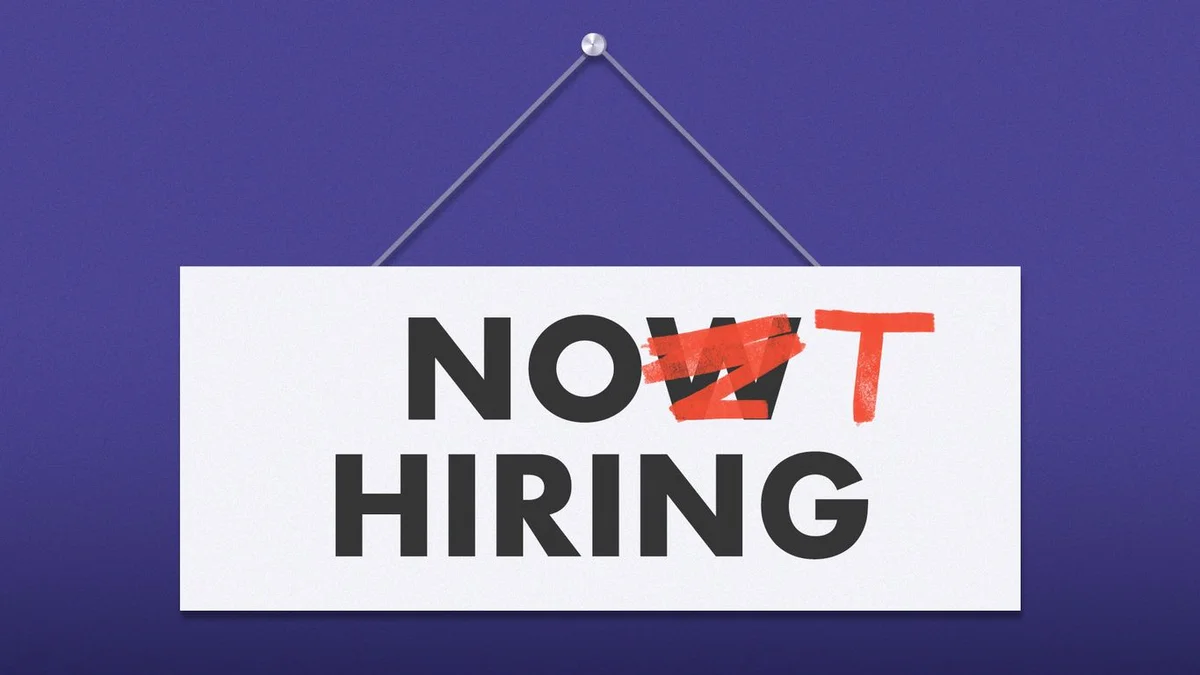
Job hunting in 2026 presents a challenging landscape filled with AI interactions and ghost jobs. This evolving hiring process contributes to longer application times and a potential erosion of trust in the job market. Candidates are experiencing burnout, evolving into systemic cynicism where they doubt the authenticity of job postings and automated rejections. Technology facilitates easy applications for candidates and efficient screening for employers, leading to a surge in applicants per hire. AI is widely used by both applicants to automate submissions and employers for screening purposes. A significant percentage of candidates report decreased faith in the hiring process, with many having interviewed with AI systems and some declining jobs due to this. Recruiters express limited confidence that their AI systems are not unfairly excluding qualified candidates. Filling open roles now takes considerably longer than pre-pandemic. Ghost jobs, which companies may not intend to fill, constitute a notable portion of postings. These may be used for various strategic reasons, though sometimes legitimate business needs or changing circumstances can also explain them. AI resume filters, while sometimes improving candidate quality, can lack transparency and potentially lead to discrimination. The ease of applying to numerous jobs has created a high volume of applications, contributing to candidates feeling ghosted. Ultimately, both employers and applicants are showing increased hesitation, impacting trust in the hiring process.