Planet Python
Follow
The Python Coding Stack: 2. Who actually does the work, the model or the software?
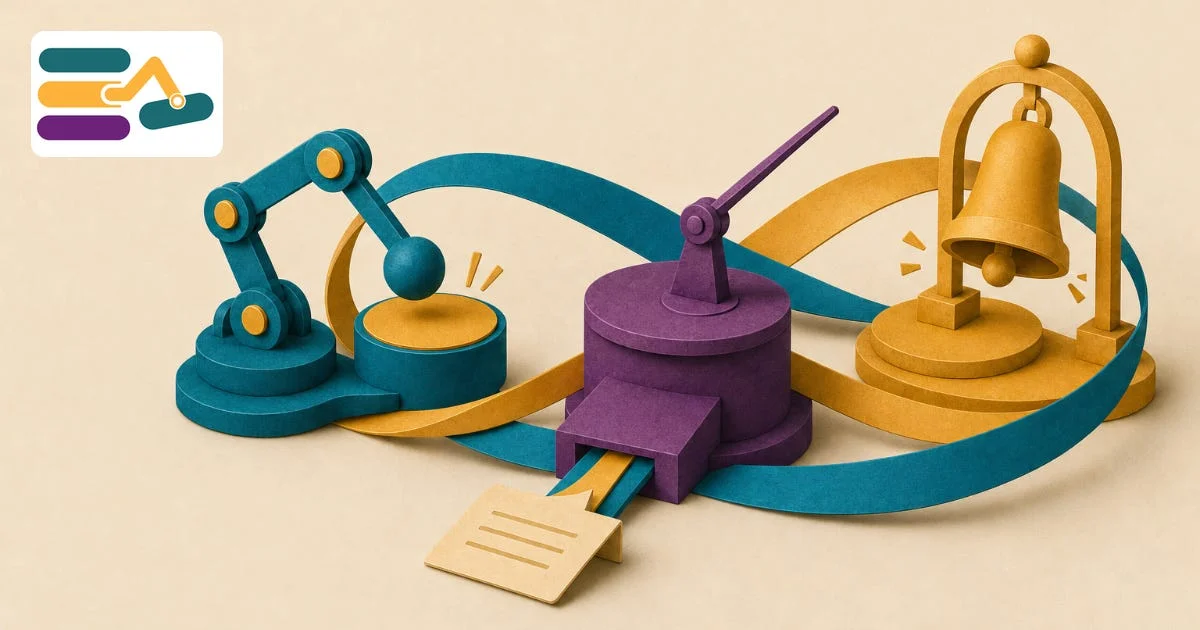
The conversation explores the components of an AI agent, differentiating the Large Language Model (LLM) from the surrounding software. When an AI organizes photographs, the LLM doesn't directly access files on a computer; instead, it generates requests. This request is received by the "harness," which is the software managing the agent's operations. The harness then uses specific "tools" to perform actions like listing files or reading metadata.The harness sends the results from these tools back to the LLM, allowing it to process the information and decide on the next step. The LLM communicates its requests to the harness through structured "tool calls," which the harness interprets to invoke the correct tool. This interaction creates an agent loop where the model, harness, and tools repeatedly exchange information.The analogy of the model as the "brain," tools as "muscles," and the harness as the "coordinator" helps clarify their roles. However, the harness also enforces rules and restrictions, such as preventing unintended file modifications. The process concludes when the model generates a final response or the harness halts the operation due to errors or limits. The agent must also verify that the task, like copying files to specific folders, has been completed accurately and without altering originals.