The Python Coding Stack: Creating a Singleton Class in Python And Why You (Probably) Don’t Need It
The text defines the singleton pattern, where a class can only have one instance. It illustrates the concept with a leaderboard example in a game. Initially, a simple Leaderboard class is created, but it fails to maintain a single instance. A second attempt implemented a singleton class structure using .__new__() and ._instance, allowing the class to only create a single instance. However, this still caused issues with re-initialization in the .__init__() method. This issue was then further resolved by managing the initialization process within the .__init__() method itself. Creating a singleton in Python is complex, but it helps you understand how Python creates objects. The article acknowledges the extra work and mentions that Python has easier approaches.
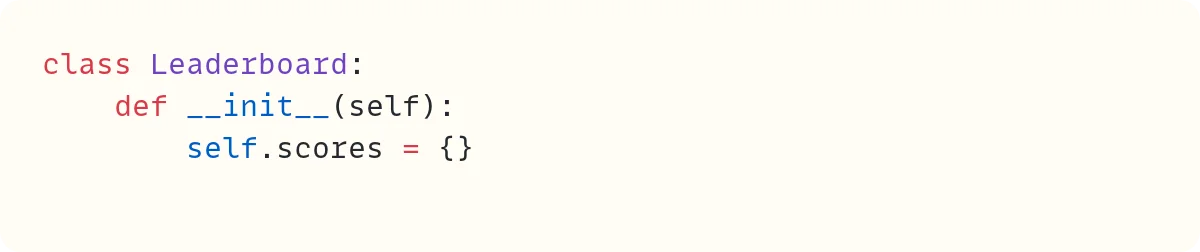

Leaderboardclass is created, but it fails to maintain a single instance. A second attempt implemented a singleton class structure using.__new__()and._instance, allowing the class to only create a single instance. However, this still caused issues with re-initialization in the.__init__()method. This issue was then further resolved by managing the initialization process within the.__init__()method itself. Creating a singleton in Python is complex, but it helps you understand how Python creates objects. The article acknowledges the extra work and mentions that Python has easier approaches.