Fast Company
Follow
The real winners and losers of the 2026 World Cup
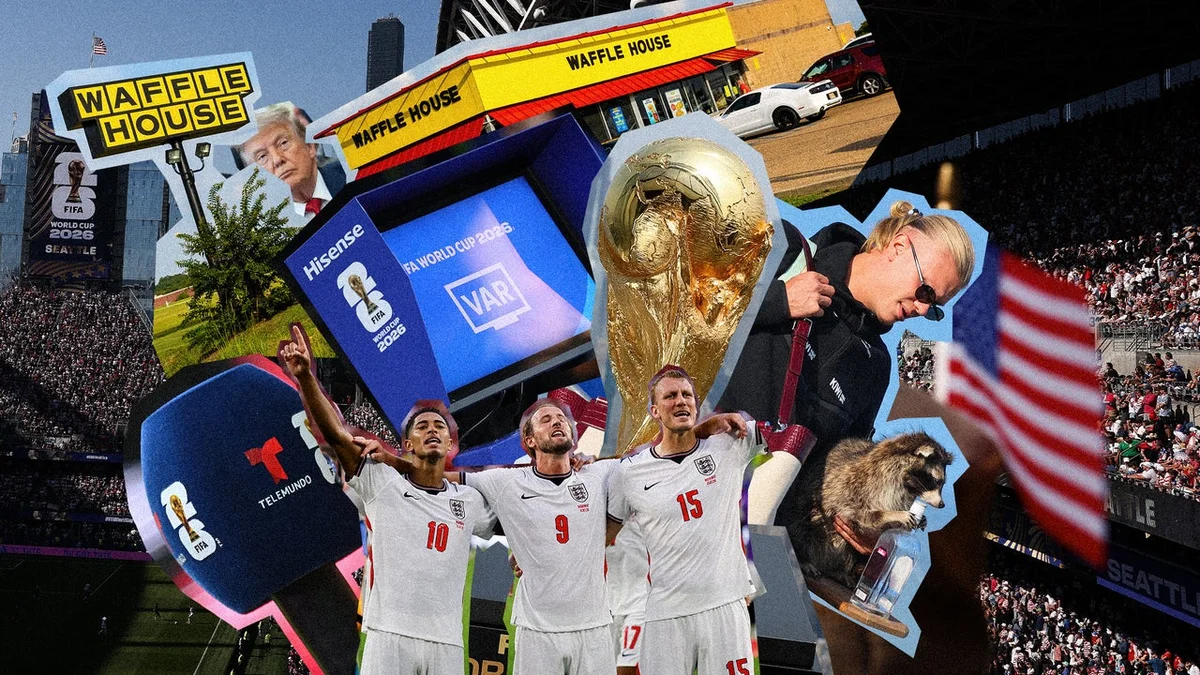
The 2026 World Cup has already created winners and losers beyond the football field. Norway emerged as a big winner, with star player Erling Haaland's captivating personality and the synchronized "Viking Row" cheer charming audiences worldwide. Waffle House also saw a boost, as international visitors praised "Americana" brands, enhancing the global reputation of U.S. mainstream culture.Conversely, the White House was a clear loser, projecting an unwelcoming attitude with questionable interventions in FIFA decisions. Oasis, however, scored as a winner, with their song "Wonderwall" becoming England's unofficial anthem, leading to a massive surge in Spotify listens. Video Assistant Referee (VAR) technology was a significant loser, generating more controversy than clarity with its inconsistent and often momentum-killing calls.Telemundo proved a surprising winner, capturing over half the U.S. audience for a major elimination match, even for games without direct Latin American connection. FIFA's reputation, on the other hand, continued its losing streak, marred by questionable decisions like awarding a "Peace Prize" to Donald Trump and ongoing issues with ticketing and VAR. Scottish fans were celebrated winners, reminding everyone that the tournament is primarily about fun and passionate support.Finally, after initial disappointment, soccer's popularity in the U.S. is emerging as a winner in extra time. The tournament's drama and engagement suggest new highs for the sport, continuing a decades-long trend of growth for both men's and women's soccer in America. This World Cup, despite its controversies, provided a much-needed escape and solidified soccer's promising future in the U.S.