UX Collective | Medium
Follow
The synth everyone owned and few could program: a lesson for AI design
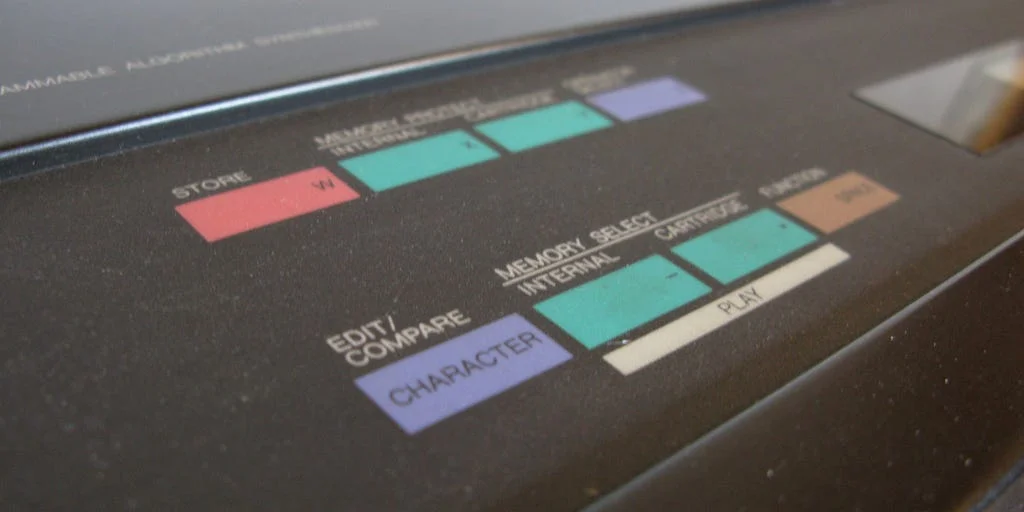
AI has democratized quality, making it average and ubiquitous, much like the Yamaha DX7's "E.PIANO 1" sound in the 1980s. This widespread availability of polished results, whether in sound, design, or prose, leads to homogenization. Generative AI, like the DX7, offers impressive outputs without requiring deep user expertise. This results in presets that are often an average of what's been seen before, lacking true originality. The "AI look" is characterized by coherence and polish, but often masks underlying issues like poor contrast. The author's research shows AI models producing similar designs for different briefs, highlighting the danger of algorithmic monoculture. Simply trying to create "better than AI" or be "original" are not sustainable solutions. Instead, the author argues that the distinguishing factor in work is now the visible decision-making process. This means moving beyond generic AI outputs by making deliberate, context-specific choices. Recognizing and naming the "preset" in design reviews, rather than just identifying AI use, is crucial. Ultimately, the question that sets work apart is not whether it looks polished, but whether a human decision was made behind it.