Fast Company
Follow
The wishful thinking of ‘climate havens’: Canada’s wildfire smoke is debunking myths about the Midwest
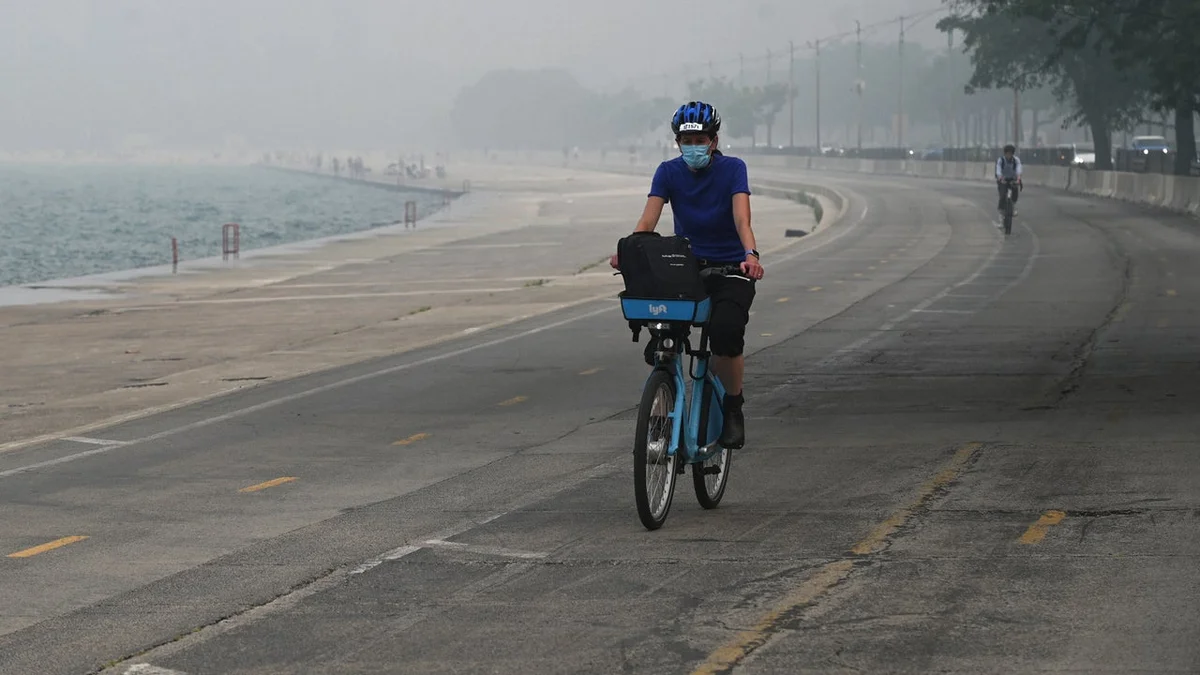
Canadian wildfires have caused widespread smoke to drift across the United States, significantly worsening air quality in major cities. This event challenges the notion of "climate havens," areas previously considered safe from the most severe climate change impacts. Regions like the upper Midwest, once thought to be buffered by their climate and resources, were heavily affected. Cities like Detroit and Duluth experienced hazardous air quality due to smoke laden with dangerous PM2.5 particles. Experts emphasize that climate impacts are inescapable and becoming more frequent for everyone. Wildfire smoke exposure poses life-threatening health risks, including respiratory issues and increased cardiovascular events. This has shifted smoke from a seasonal nuisance to a recognized threat to life. Impacts extend beyond smoke, encompassing extreme heat, rising insurance costs, and the spread of diseases. Even areas not directly hit by disasters still feel the broader economic and health consequences of climate change. However, solutions like clean energy and sustainable practices offer pathways to mitigate the worst climate outcomes.