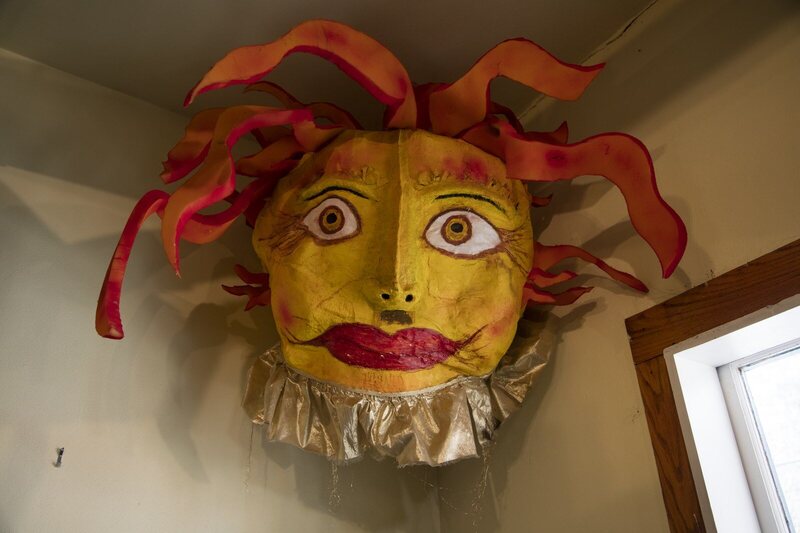
Fasnacht is a unique West Virginia tradition celebrated in the small Appalachian town of Helvetia. This ancient festival, originating from Swiss and pre-Christian roots, marks the end of winter and traditionally involves feasting before the Lenten fast. "Fasnacht" translates to "fasting night," signifying a time of indulgence before a period of abstinence. The celebration evolved from private home gatherings to a public spectacle featuring elaborate papier-mâché masks, parades, music, and mischief.
The tradition in Helvetia nearly vanished due to anti-German sentiment after World War I and II, but two local women, Eleanor Mailloux and Dolores Baggerly, revived it by making it a public event. They began by wearing masks and decorating their restaurant, gradually encouraging community participation. The festival gained significant traction in the 1990s when students were encouraged to attend and participate in masking.
Today, Fasnacht draws around a thousand visitors to Helvetia, a town of only sixty residents. The masks, often elaborate creations, represent a wide range of themes, from warding off winter to celebrating spring or offering social commentary. The event culminates in burning a figure representing "Old Man Winter" to signify his departure and welcome the coming spring. The festival's growing popularity is partly attributed to its virtual representation in the video game Fallout 76. Visitors often describe Fasnacht as a spiritual, cathartic, and healing experience, fostering community and celebrating identity.

atlasobscura.com
atlasobscura.com

RSS Hunter
2025-12-02
Create attached notes ...