Fast Company
Follow
This Texas startup is turning oil well waste into EV batteries
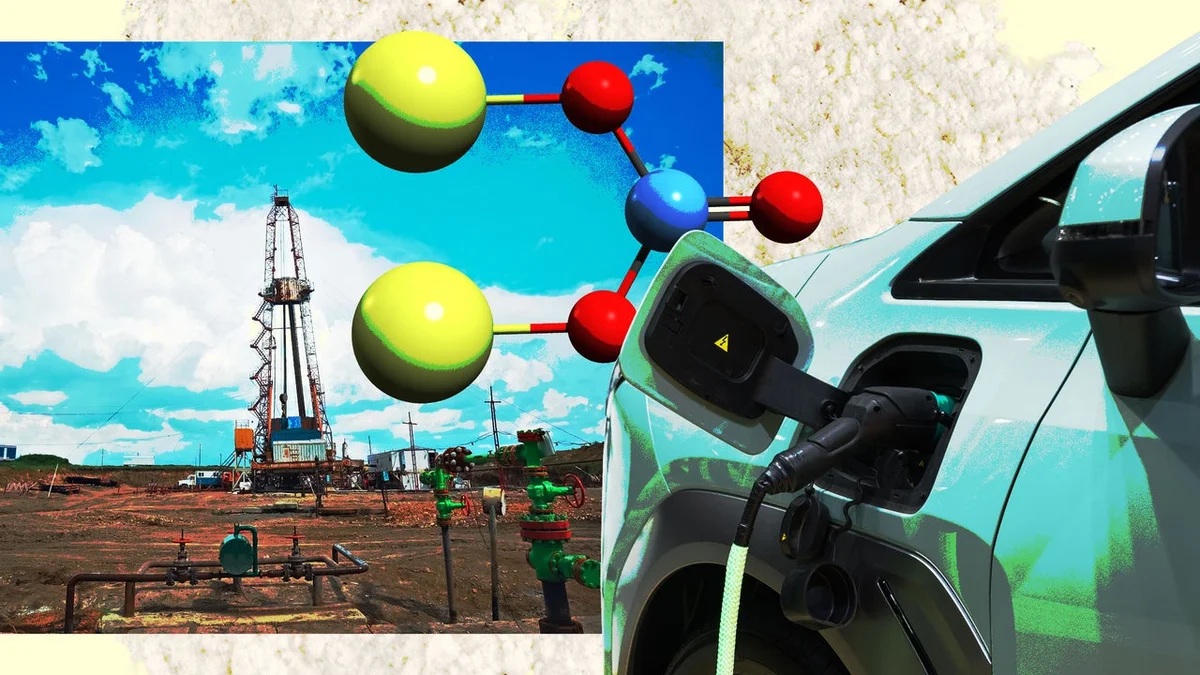
Oil drilling in West Texas's Permian Basin extracts six million barrels of crude oil daily, alongside a staggering 26 million barrels of dirty, mineral-rich wastewater. This brackish water, concentrated seawater from prehistoric oceans, is five times saltier than today's oceans and contains valuable lithium. Houston-based startup Element3 discovered this potential, aiming to filter the wastewater to create a domestic lithium source for electric vehicle batteries. This innovative approach transforms a petroleum drilling byproduct into a crucial material for clean energy, embodying a "waste-to-value" circular economy. Element3, founded in 2021, commercializes U.S. Department of Energy research on unconventional brine mining. The company has raised over $20 million and now has 15 employees. They leverage the existing oil industry infrastructure for water movement, diverting, filtering, and returning the wastewater to the system. Element3's Midland facility uses a proprietary direct lithium exchange unit to extract lithium ions, then processes them into lithium carbonate powder and lithium hydroxide. This 6,000-square-foot commercial extraction facility, opened in February, is the first new U.S. lithium extraction facility since the 1960s. It can produce up to 3,000 tons of lithium annually, a substantial addition to the 5,000 tons produced by the only other U.S. source in Nevada. Element3's process offers a lower-emissions method for lithium generation compared to existing mines. This initiative signifies a broader shift in Texas's energy industry, embracing diverse energy sources and utilizing existing skilled workforces. Element3's work demonstrates how West Texas can layer a critical materials industry onto its established energy infrastructure.