Fast Company
Follow
Trump blamed AI for a viral video. Has AI become his new ‘fake news’?
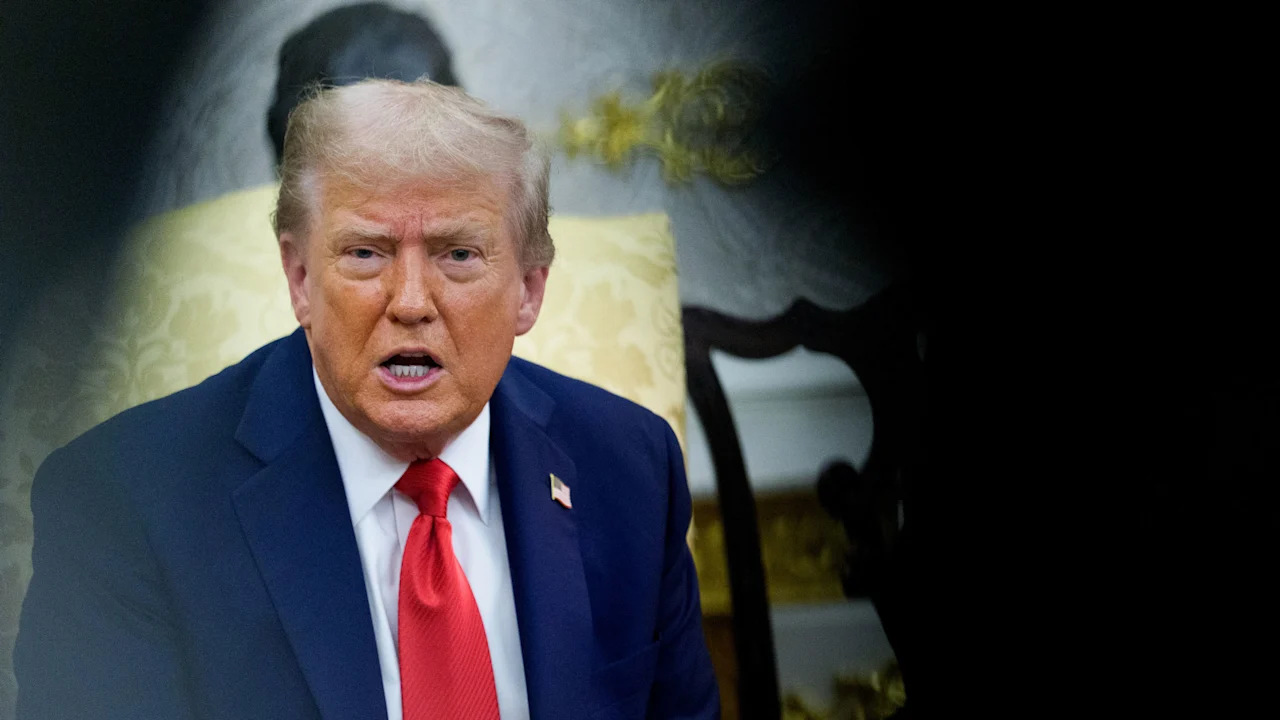
Blaming artificial intelligence is a growing tactic for politicians to avoid accountability for embarrassing situations. AI, not being a person, cannot be sued or held directly responsible. Its capacity for error complicates distinguishing fact from fiction in the current information landscape. This difficulty in discerning truth benefits those who spread falsehoods, a phenomenon termed "the liar's dividend." President Trump has publicly embraced this strategy, suggesting he might blame AI for future negative events. Venezuelan Minister Freddy Ñáñez also questioned the authenticity of a video, attributing it to AI due to its animation. While sometimes used as a compliment, experts warn that powerful figures using AI as an excuse for fabricated content is dangerous. Digital forensics expert Hany Farid notes that the ease of claiming something is a "deepfake" undermines the concept of objective reality. This contrasts with past instances where figures like Trump and Hillary Clinton had to acknowledge and apologize for their recorded statements. AI-blaming creates a future where accountability diminishes, as individuals can deny real evidence by claiming it's AI-generated. This erosion of trust allows powerful figures to escape consequences for their words and actions. Research from 2019 predicted this "liar's dividend," where public skepticism empowers those with the loudest opinions. Polls indicate widespread public concern about AI's increasing role and its potential for misuse by political leaders. Trump's history of spreading misinformation and his past claims about AI, such as with the Lincoln Project, highlight his significant role in undermining public trust.