Axios
Follow
Trump's AI team fractures over strategy against G20 backdrop
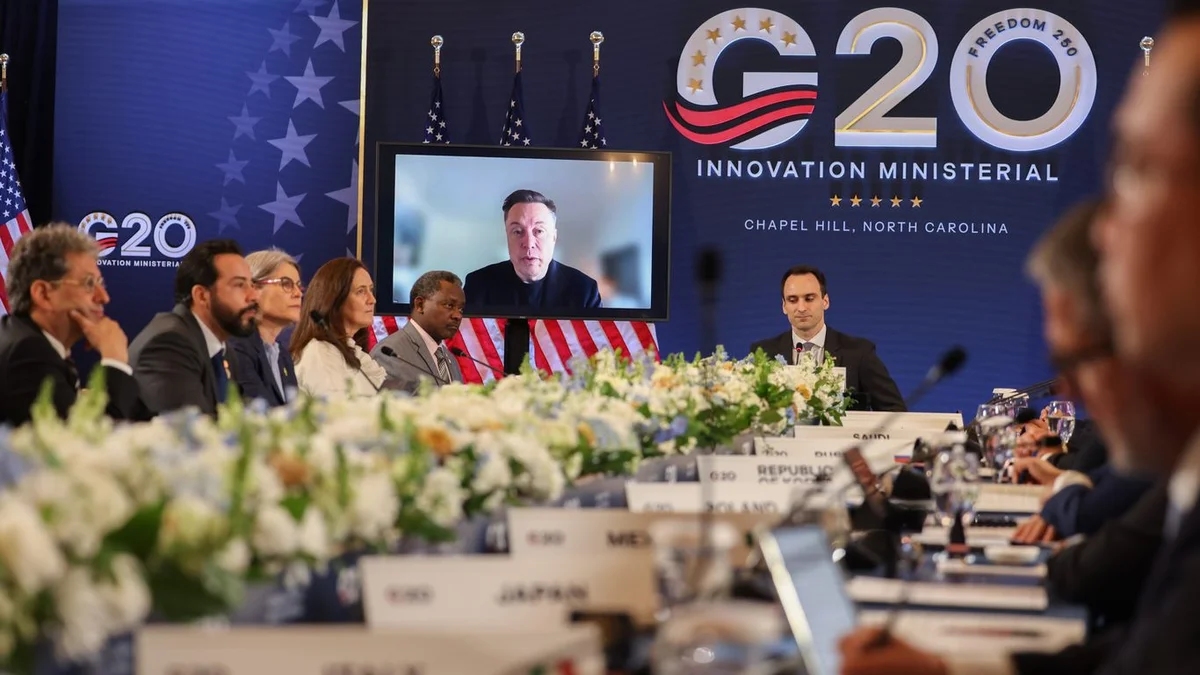
Trump administration officials aimed to showcase U.S. AI leadership at the G20 innovation summit, but internal divisions between the Commerce Department and the White House's tech policy shop are evident. The U.S. is advocating for a lighter regulatory approach to AI, contrasting it with the European Union's more stringent stance. White House Office of Science and Technology Policy Director Michael Kratsios highlighted flexible policy frameworks as key to U.S. AI progress. However, Commerce and OSTP are competing for influence over the administration's AI policy agenda, leaving key regulatory decisions unsettled. A White House spokesperson denied internal divisions, stating the team is working collaboratively. The summit's first day revealed these tensions, particularly regarding data centers and the messaging around them. Commerce holds significant AI policy levers through its bureaus and centers, while OSTP is seen as a planning entity. The summit's programming reflected this divide, with different officials leading different sessions and featuring distinct sets of tech leaders. A lack of coordination reportedly impacted participation, with suggestions that better planning could have secured in-person attendance from key figures. Messaging on data centers became a point of contention, with Kratsios raising the issue despite prior plans to avoid it. The U.S. is urging other countries to delay AI regulation, even as its own regulatory framework is still being debated internally. The administration is considering a new AI oversight body and a replacement for an existing export rule. Ultimately, the future of global AI regulation is being shaped by these internal power struggles within the U.S. government.