Axios
Follow
Trump's Rx for confusion: How a push for tariffs complicated his pharma plan
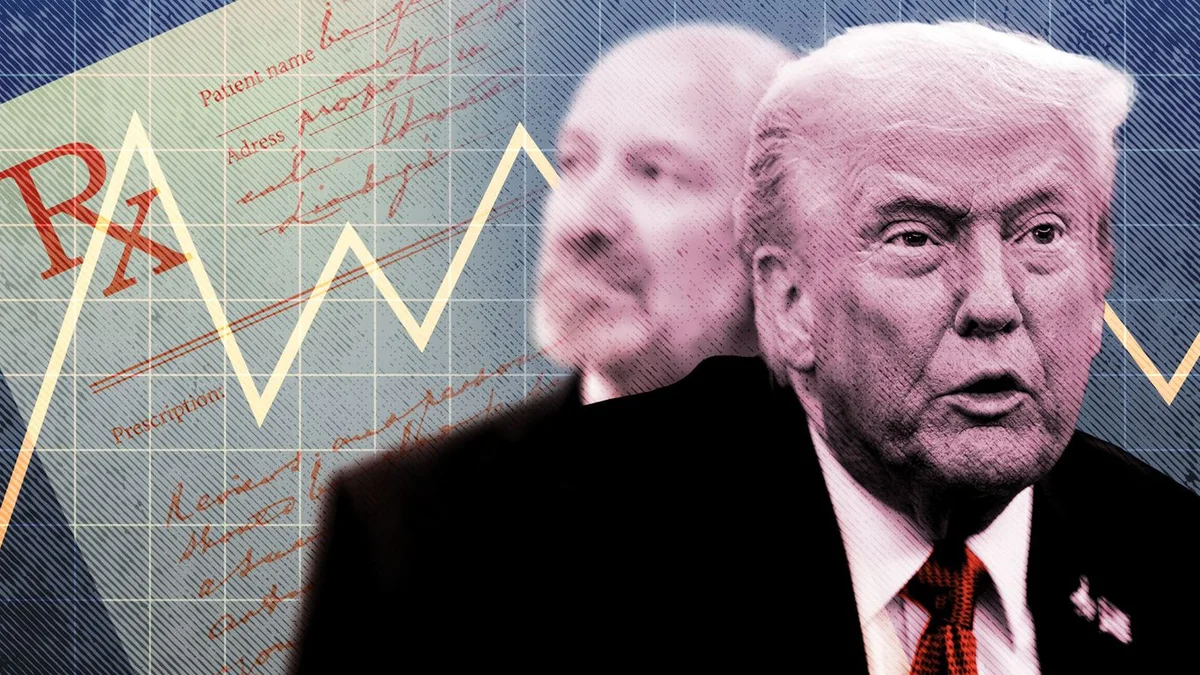
President Trump initially contemplated imposing 100% tariffs on pharmaceuticals not made in the U.S., a move that threatened to raise drug costs. This plan, pushed by Commerce Secretary Howard Lutnick, clashed with the existing drug cost reduction efforts of Health and Human Services Secretary Robert F. Kennedy Jr. The tariff idea was quickly abandoned following internal White House conflict and confusion. The announcement caught many officials, including Kennedy and others, off guard as it wasn't coordinated. This spurred concerns that were addressed by Chief of Staff Susie Wiles, stressing the need for established procedures. Lutnick later participated with Trump in announcing deals with Pfizer, thus pausing the tariff plan in favor of ongoing negotiations. Lutnick then went on to join Kennedy in signing paperwork for a new deal with AstraZeneca. While Trump acknowledged the role of tariffs in encouraging pharmaceutical companies, the AstraZeneca agreement predated the tariff threat. Trump's "most favored nation" plan aims to lower U.S. drug prices but has seen mixed results. This incident highlights the chaotic decision-making process within the Trump White House, particularly regarding tariffs. Lutnick's controversial past comments also added to the situation's complexity. Ultimately, the tariff theatrics, although initially disruptive, may have helped drive negotiations.