UX Collective | Medium
Follow
UX in 2027 may be less about interfaces and more about behavior
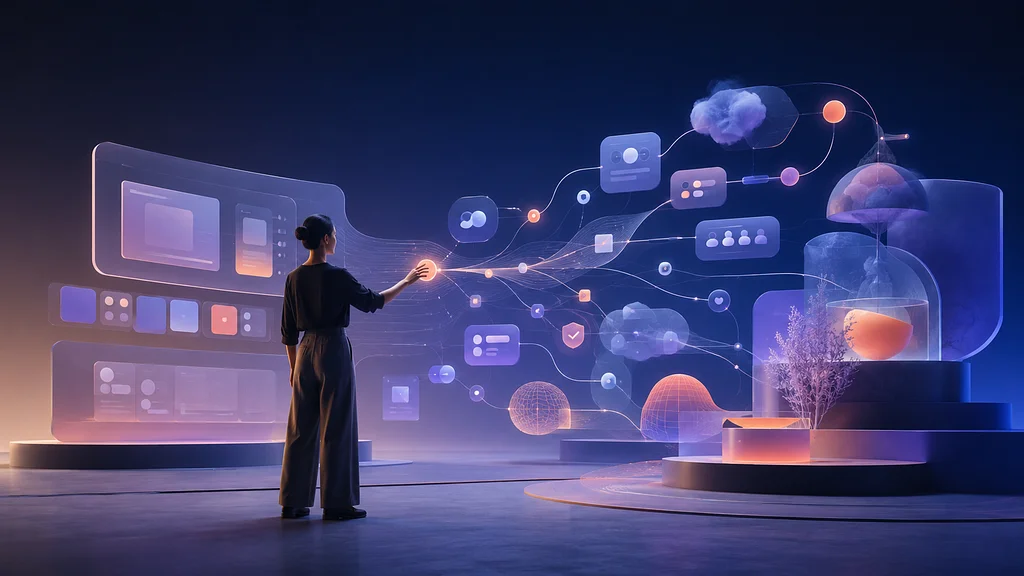
The future of UX design will involve more adaptive interfaces that interpret user goals and act on their behalf. Software is evolving to assemble interfaces, choose tools, and perform tasks, moving beyond fixed user flows. This shift requires designers to define not only what a person can do but also what the product can infer, generate, and accomplish. Designers will focus on defining system behavior, establishing limits, and ensuring users can regain control when needed. Interfaces will increasingly act as temporary explanations of system understanding, recommendations, and information needs. Constrained adaptation, where systems respond to context within defined boundaries, is seen as the more useful direction than unlimited personalization. Trust will become a critical interaction primitive, encompassing permission, provenance, confirmation, reversibility, and escalation. Products will need to cater to both human users and their AI agents. The role of UX will expand to include designing for machine-readable policies and structured content, ensuring products are accessible to delegated journeys. Designers must consider the uneven adoption of AI and design for scenarios where agents may not function flawlessly.