ZeroHedge News
Follow
What Happened To The 56 Signatories Of The Declaration Of Independence
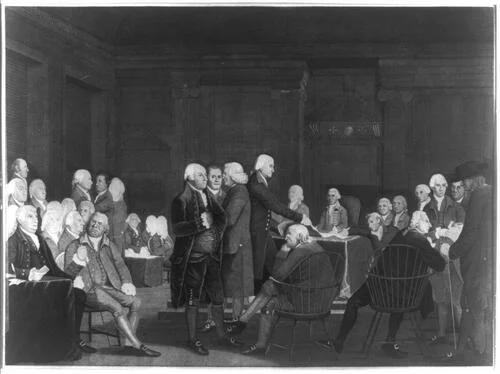
The United States is celebrating the 250th anniversary of the Declaration of Independence, adopted on July 4th. While Thomas Jefferson authored the document, all 56 signatories did not sign on the same day. Key figures like George Washington and Alexander Hamilton were absent due to military duties. Though none died directly from their signature, many faced capture, property destruction, or financial ruin. Thomas Jefferson, the author, later served in significant government roles, with his vision in the Declaration influencing the nation. Benjamin Franklin, a key editor, changed a phrase to "self-evident truths" and was a crucial diplomat. John Adams, a strong advocate for independence, narrowly escaped capture and famously died on the same day as Jefferson. Richard Henry Lee authored the resolution for independence and faced personal and financial hardships. Caesar Rodney made a critical ride to cast Delaware's tie-breaking vote for independence. John Hancock's prominent signature became an idiom, and he was the only signer on July 4th, risking his fortune. Thomas McKean was the last signer, joining the Revolution and later leading civilian defense efforts. Richard Stockton is believed to be the only signer to renounce his signature under duress while imprisoned. Several signers, like George Walton and the Charleston captives, were taken prisoner of war. Many signers suffered property destruction or occupation by the British. Charles Carroll was the last surviving signer and a significant figure in early American infrastructure projects, advocating for the Declaration's principles.