DEV Community
Follow
What messaging apps does OpenClaw (Moltbot/Clawdbot) support?
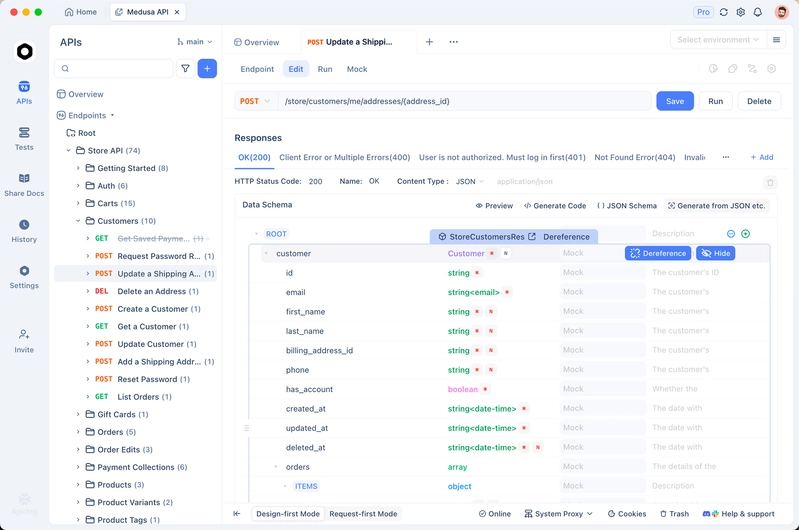
OpenClaw, formerly Moltbot, is rapidly evolving, leading to confusion about its messaging platform support. True support involves more than just compatibility; it requires architectural clarity on delivery guarantees, identity models, and security. OpenClaw's integration levels range from native and community connectors to bridges via webhooks. Real-time chat platforms with bot APIs, like Slack or Discord, offer the most robust support. However, encrypted messaging apps with restricted bot surfaces or those lacking official bot APIs present significant challenges. When evaluating support, engineering teams must assess inbound event coverage, outbound capabilities, identity fidelity, operational reliability, security posture, and rate-limit strategy. A robust connector architecture typically involves ingress validation, event normalization, a policy layer, the OpenClaw runtime, and response orchestration. Each messaging platform, whether Slack-style, Discord-style, Telegram-style, or enterprise chat, has unique engineering considerations. Security is paramount, requiring webhook signature verification, secure token management, and least-privilege access. Production chat agents must employ idempotency, queueing before inference, and graceful degradation strategies. An API-first approach, facilitated by tools like Apidog, streamlines development by defining a canonical connector API and testing platform adapters against it. Migrating from older versions like Moltbot/Clawdbot requires careful attention to changed URLs and schemas. When choosing integration types, native connectors are best for SLA-backed reliability, community connectors for niche platforms with manageable burdens, and bridges for rapid prototyping. Ultimately, OpenClaw's support for a messaging app is proportional to its available bot APIs and the maturity of its connectors.