UX Collective | Medium
Follow
What Minority Report got right about AI
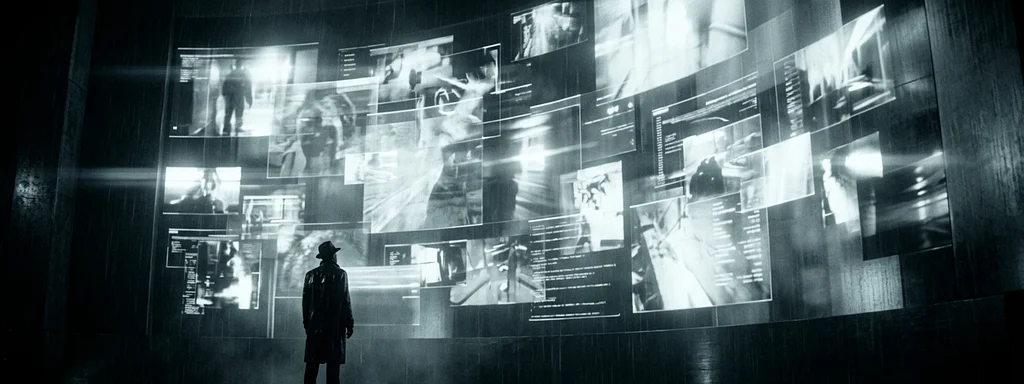
Steven Spielberg's film Minority Report is a surprisingly accurate depiction of generative AI, far more so than its iconic gesture interface. The film's precogs, who generate confident predictions of the future, function like modern language models. They don't retrieve information; they synthesize plausible outcomes presented as fact, mirroring how AI creates text. This generative process, including potential errors or "hallucinations," forms the core of the film's plot. The precogs' visions are treated as undeniable truth, leading to arrests before crimes occur, mirroring AI agents that execute plans without human oversight. The film also touches on the training data for AI, showing the precogs' minds being "strip-mined" for information, akin to the vast human-generated content used to train AI models. The suppression of dissenting precog visions, the "minority report," represents AI models discarding uncertain possibilities to present a single, confident answer. This confident output, even when wrong, is a key risk of generative AI, as the system's fluency can mask inaccuracies. The movie's real prediction lies in the system's unwavering confidence, its reliance on generated output, and the automation bias that leads to unquestioning acceptance. Ultimately, Minority Report serves as a cautionary tale about generative AI's power and the dangers of accepting its confident pronouncements without critical scrutiny.