UX Collective | Medium
Follow
What Minority Report got wrong about AI (so far)
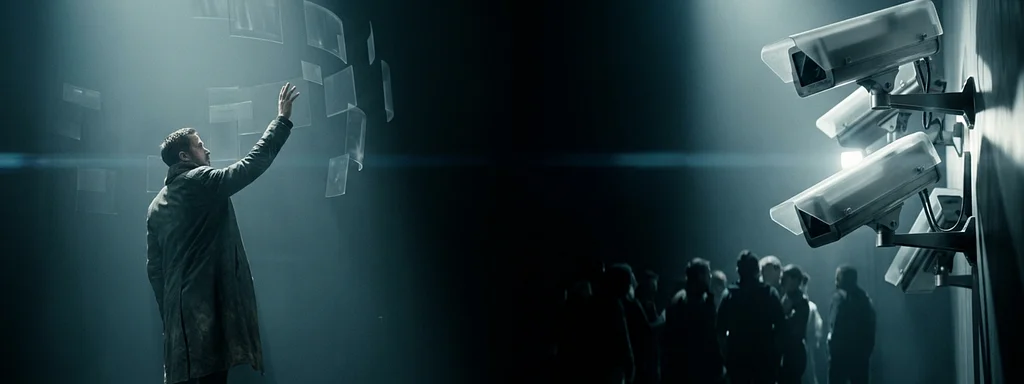
The film Minority Report inspired visions of advanced gestural interfaces, embodied by Tom Cruise’s glove-controlled displays. However, the industry focused on this visual spectacle, neglecting the film's core warning about predictive systems. The gestural interface, while visually striking, proved physically impractical and ergonomically flawed. In contrast, the film's central theme, pre-crime prediction, has become a reality in our justice system.Risk-assessment tools now score defendants, influencing bail and sentencing decisions, often with opaque algorithms. Predictive policing has also been implemented, often concentrating patrols in the same areas, creating a feedback loop. The film's idea of a "minority report," or a dissenting opinion, highlighting system uncertainty, is largely ignored. Instead, AI often presents probabilistic outcomes as definitive facts.Personalized advertising, another element from the film, has also materialized, but without the public disclosure seen onscreen. Real-world applications of facial recognition have led to harm without notice or recourse for those affected. We have embraced the "spectacle" of AI, like the chat box, while overlooking the consequential background systems. The true lesson of Minority Report is not the technology but the ethical implications of acting on predictions. We must prioritize transparency, dissent, and recourse before deploying predictive systems.