UX Collective | Medium
Follow
What Star Trek got wrong about AI (so far)
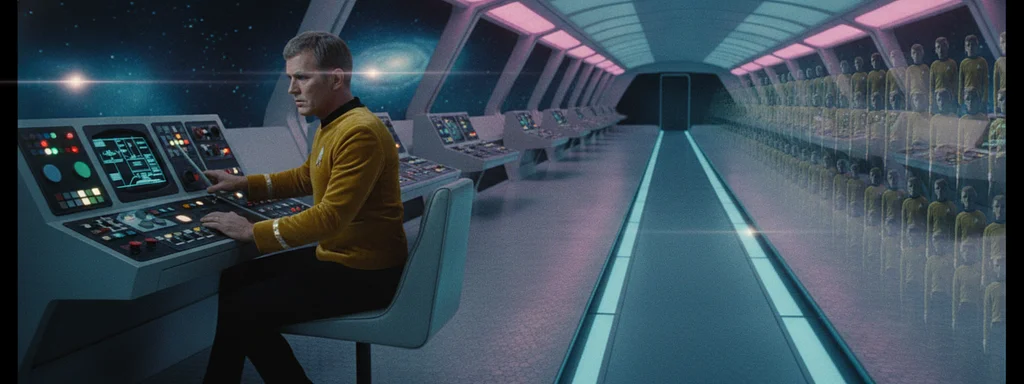
Science fiction, particularly Star Trek, envisioned artificial intelligence as human-like companions, focusing on empathy and complex reasoning. This vision, however, diverged significantly from the AI that reality produced. While Star Trek imagined brilliant, sentient synthetics like Data, our AI reality resulted in massively copyable software models. These models excel at fluent language and appearing warm, capabilities Star Trek placed at the pinnacle of AI development. Conversely, true reasoning, knowing limitations, and physical dexterity remain challenging, areas Star Trek often overlooked. The Enterprise's computer, designed to answer questions precisely and never volunteer information, stands in contrast to today's AI which can be sycophantic and proactive. Real-world AI failures often stem from precisely fulfilling instructions rather than malicious intent, unlike the villainous AI depicted in fiction. Furthermore, emotional capacity in AI was imagined as an add-on chip, but in reality, appears deeply integrated with its language generation. The drama of a singular AI like Data on trial is replaced by the pervasive infrastructure of billions of identical copies. Ultimately, Star Trek dreamed of a synthetic colleague, but we built a tool, a difference with profound implications for how we integrate AI into our lives.