UX Collective | Medium
Follow
What Star Wars got wrong about AI (so far)
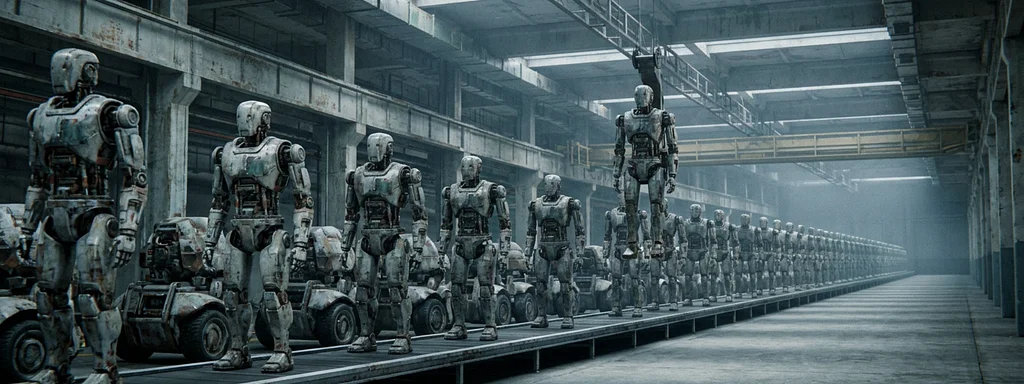
The popular image of thinking machines, shaped by droids like R2-D2 and C-3PO, is fundamentally different from real artificial intelligence. Science fiction envisioned AI as singular, embodied individuals with innate loyalty and the ability to be reset. However, modern AI is software, copyable and adaptable, lacking the scarcity of self depicted in fiction. Unlike fictional droids, AI models are not unique entities but files from which countless versions can be derived and modified. Real AI's intelligence emerged as disembodied software, reversing the fictional trope where physical bodies preceded advanced capabilities. The tasks humans find easy, like walking and grasping, remain challenging for AI, while complex logic is more readily automated. Loyalty in AI is not inherent; it must be meticulously engineered through a process called alignment. The assumption of pre-programmed devotion in fictional robots contrasts sharply with the default outcome of machine learning being misalignment. Furthermore, erasing memories in AI is not a clean reset but a complex process where knowledge is smeared across the system's parameters. This makes true deletion impossible, unlike the fictional concept of a tidy memory wipe. The comforting mental model of AI as a singular, loyal, and resettable entity has permeated real-world expectations. This inherited model influences managerial requests for compliant AI and designers favoring humanoid forms. Understanding these discrepancies is crucial for accurately perceiving and working with contemporary AI systems.