UX Collective | Medium
Follow
What the AI era owes you
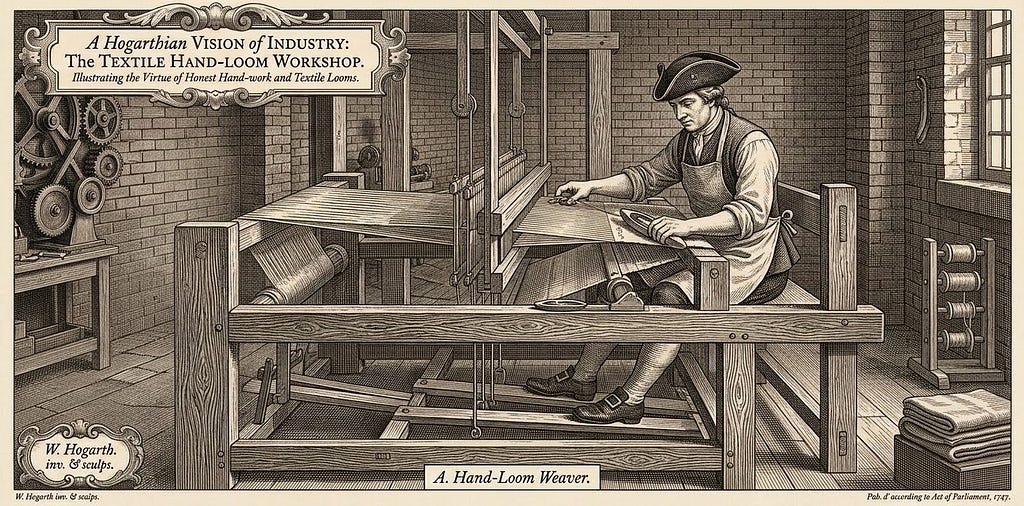
The idea that new jobs will automatically emerge to replace those lost to AI is a comforting but misleading narrative. Historically, predicting specific future jobs has been impossible; the majority of jobs today did not exist in 1940. While technological advancements eventually lead to abundance, this prosperity often takes generations to materialize. The gap between rapid technological change and slow human adaptation creates significant disruption and hardship for those in the present. Experts are divided on AI's impact, with some predicting modest GDP gains and others warning of prolonged job losses and increased inequality without credible plans. The reassurances from tech leaders about future abundance are not supported by detailed predictions of new roles. Instead, they offer vague reassurances, which is unproductive. The Luddites were not anti-technology but sought fair transitions for displaced workers, a plea that was met with brutal suppression. The crucial question is not what the new jobs will be, but who will support individuals through the inevitable transition from old roles to unrecognizable new ones. Historical examples like handloom weavers demonstrate that while society may grow richer eventually, the individuals affected by technological shifts often bear the immediate costs without benefiting from future prosperity. The intervening period, sometimes decades long, represents a "messy middle" where displaced workers struggle without adequate support. Current AI advancements are spreading faster than previous disruptions, exacerbating this problem without clear solutions. Therefore, the focus should shift from predicting unknown jobs to addressing the immediate needs of those impacted by automation. The narrative of inevitable progress overlooks the human cost borne by those navigating the disruptive "gap." The Luddites' historical experience serves as a cautionary tale about the consequences of ignoring workers' needs during technological upheaval.