Fast Company
Follow
What’s really fueling the recent generosity boom
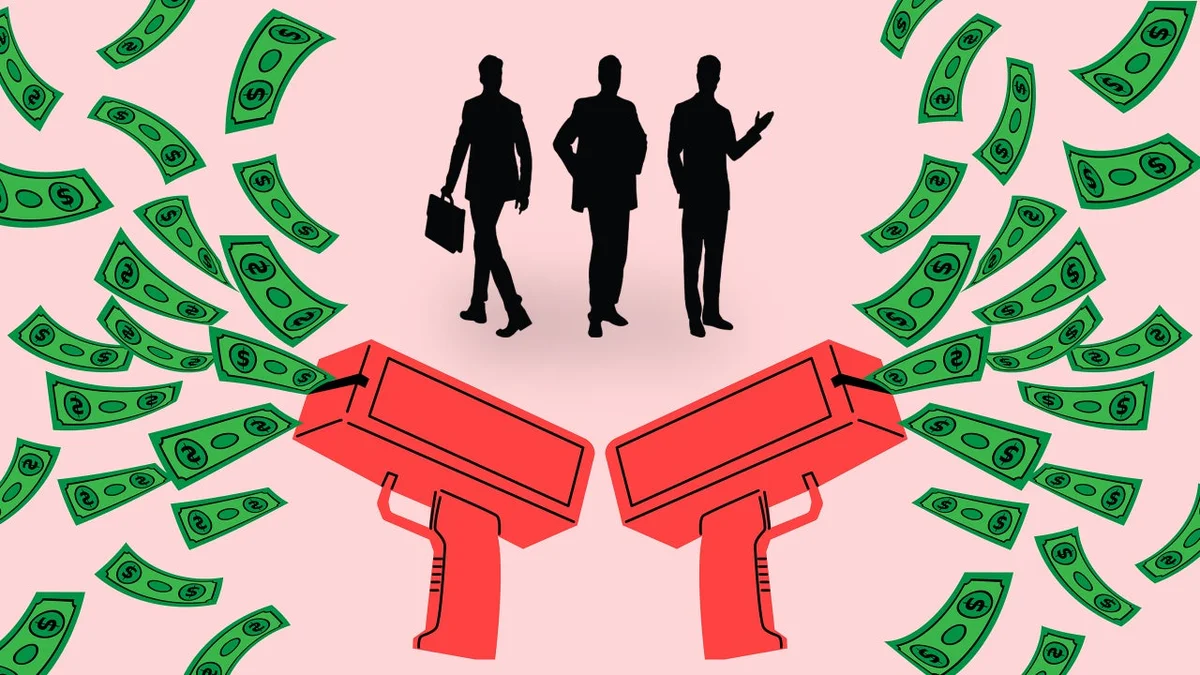
The Trump administration recently distributed $500 checks to Healthcare.gov users, accompanied by a letter with a political message, and proposed a $5,000 "Trump dividend" conditional on a Republican victory. AI companies like OpenAI and Anthropic have pledged to share their wealth, with Anthropic proposing a Public Benefit Fund of 5% of its value to mitigate concerns about AI's potential risks. Elon Musk, in response, promised to give every child in America a share in SpaceX, directly criticizing Anthropic's approach. These acts of generosity, while potentially benefiting recipients, are also recognized as strategic reputational marketing efforts by powerful institutions and individuals. The government's initiatives are explicitly political, aiming to sway voters in upcoming elections. AI companies use these pledges to address societal anxieties about their technology and highlight positive impacts. Musk's pledge is framed as a direct, personal, and superior form of philanthropy, also serving to burnish his public image amidst scrutiny. While genuine generosity may be involved, the immediate publicity and positive image generation are significant motivations. The true impact of these pledges ultimately depends on their actual manifestation and long-term execution. The article emphasizes that while generosity is positive, the underlying motivations often include significant self-promotion and image management.
https://www.fastcompany.com/91628347/whats-really-fueling-the-recent-generosity-boom fastcompany.com