Collab Fund
Follow
Where does value accrue beyond Open AI?
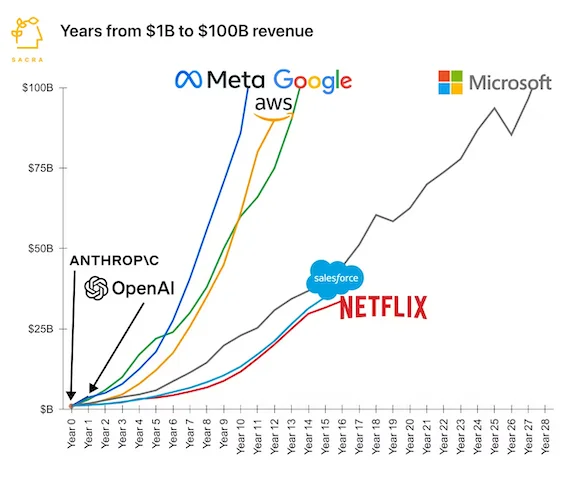
The AI scene has seen a surge in writing assistants, chatbots, and other tools, but OpenAI's ChatGPT has dominated the market with its steady rollout of new features. This has put a strain on startups trying to compete, leading to the question of how to build consumer applications when OpenAI has such a large share of user attention and data. However, instead of copying or giving up, startups can find spaces where OpenAI can't compete, such as areas where its size works against it. OpenAI's ChatGPT has become a default destination for consumer AI, with hundreds of millions of weekly users and vast compute power, but there are areas where startups can carve out their own ground. Startups can focus on areas such as vertical trust and domain expertise, bridging to the physical world, and closing the creativity gap, where OpenAI's general-purpose chatbots struggle. These areas require specialized expertise, real-world integration, and human curation, which can be difficult for a digital-first company like OpenAI to replicate. By focusing on these areas, startups can create value and differentiate themselves from OpenAI. The key is to find places where AI is a means to something bigger, and where giants like OpenAI stumble, such as deep trust, real-world execution, or genuine novelty. Ultimately, success is not about trying to outscale OpenAI, but about finding places where AI is a means to something bigger, and where value will continue to accrue in the gaps that AI can't fill. By identifying and addressing these gaps, startups can create a competitive edge and build successful consumer applications.