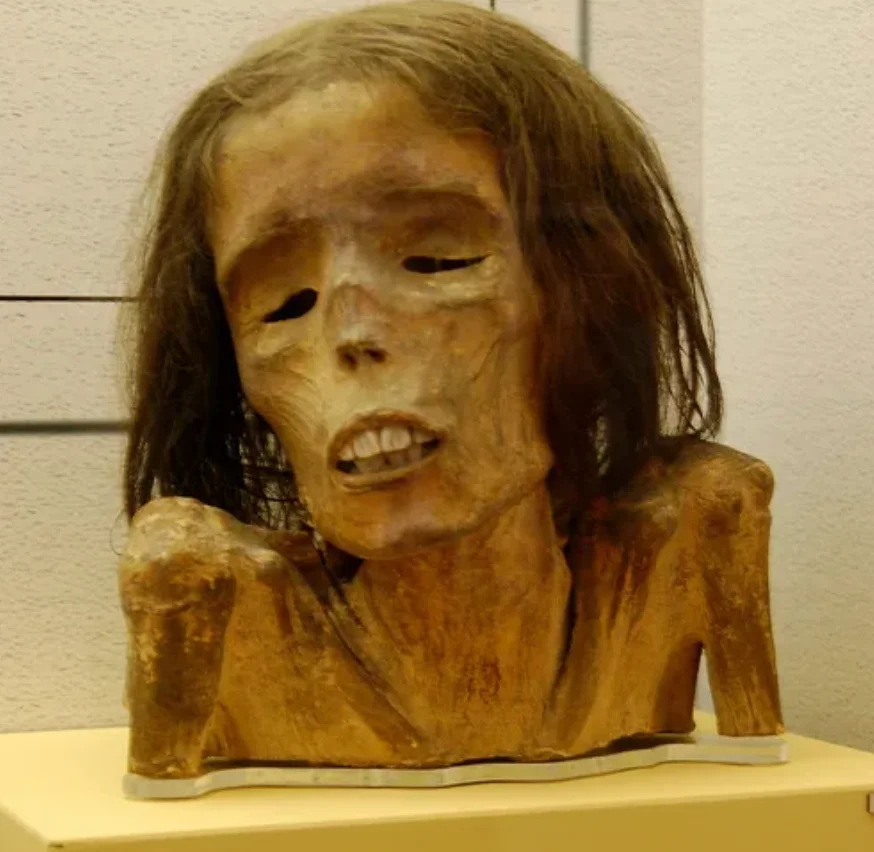
Where to See the World’s Most Famous Preserved Body Parts
This text explores various preserved body parts displayed around the world, highlighting their historical, cultural, and scientific significance. From Abraham Lincoln's skull fragments at the National Museum of Health and Medicine to Einstein's brain slivers at the Mütter Museum, these exhibits offer unique insights into human anatomy and famous individuals. The Sourtoe Cocktail in Yukon features an amputated toe used as a drink garnish, while Lindow Man in London provides a remarkably preserved look at an Iron Age individual. The preserved head of Lisbon's first serial killer, Diogo Alves, reflects an early interest in phrenology. Religious relics include St. Anthony's non-decomposed tongue in Padua and Chopin's heart, smuggled to Warsaw. The Transi de René de Chalon in France is a macabre statue depicting a rotting corpse, fulfilling a prince's unusual dying wish. St. Valentine's shoulder blade in Prague and St. Catherine's severed head in Siena are revered religious artifacts, though their authenticity is sometimes debated. The Buddha Tooth Relic Temple in Singapore houses a disputed Buddha tooth, and Galileo's middle finger is displayed in Florence as a tribute to his astronomical contributions. The Museum of Sin in Russia showcases body parts illustrating the effects of vice, while Ireland's Kingship and Sacrifice exhibit features ancient bog bodies. Finally, Captain Samuel Jones's amputated leg is buried in New Hampshire, a peculiar testament to his resilience. These diverse examples illustrate humanity's enduring fascination with preserving and displaying body parts.