ZeroHedge News
Follow
"Why I'm Writing This Anonymously And What That Says About Free Speech In Britain"
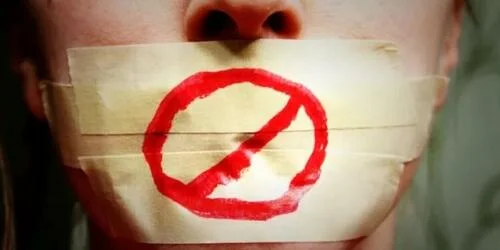
The author, a self-described "regular bloke," explains his decision to publish anonymously for the Daily Sceptic. He notes that recent political assassinations have raised questions about security for politicians, but argues that ordinary citizens with unpopular views may be more vulnerable. Citing concerns about increasing political violence and a more hostile public discourse, he suggests that enhanced security for public figures is a superficial solution. The author feels his once mainstream opinions on immigration and free speech are now considered extreme. He believes a large segment of the population shares these views but remains silent due to fear of repercussions, leading to a false sense of consensus. He grapples with whether his anonymity constitutes cowardice, concluding it's a calculated decision prioritizing the message over personal identification.The author contends that fear significantly curtails public debate, manifesting as self-censorship before any actual punishment occurs. He points to how certain beliefs are categorized, and how institutions' perceived bias erodes public trust. The rise of "non-crime hate incidents" and the labeling of groups contribute to this atmosphere of intimidation. This fear, he argues, drives a majority of Britons to withhold their opinions, a trend also observed in teenagers. The author stresses that the anticipation of negative consequences is enough to alter behavior, effectively shrinking public discourse.He acknowledges the valuable work of the Free Speech Union in defending those already victimized but notes it cannot protect individuals from physical harm. The author differentiates his situation from that of journalists or broadcasters who may face threats but often have established platforms. As an ordinary person without a public profile or security detail, he fears professional and social repercussions for expressing his views. Therefore, he chooses to publish anonymously, viewing this act as tangible evidence of a failing relationship with free expression in the country.