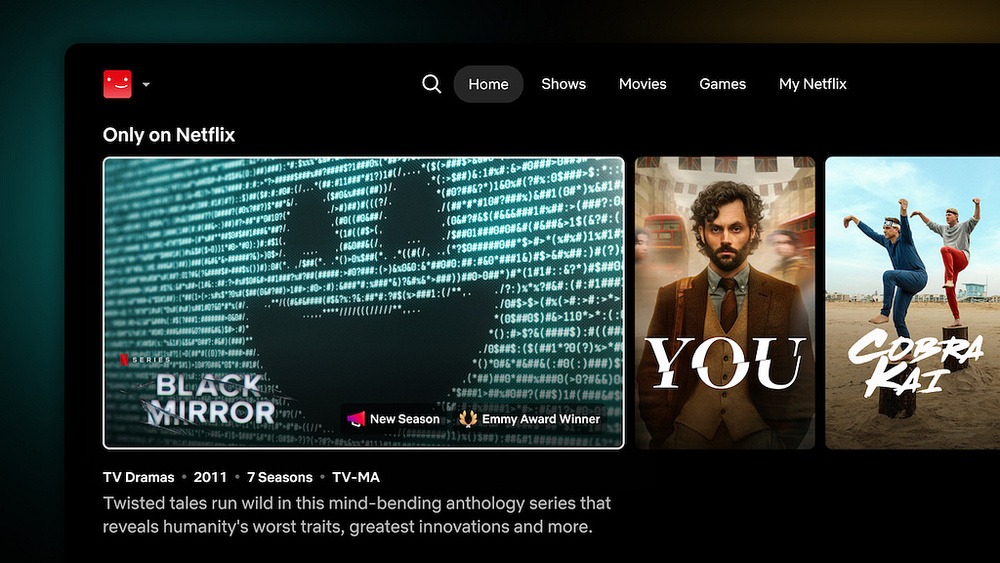
The article explores the common phenomenon of users hating product redesigns, even when backed by testing and intended improvements. These negative reactions are often rooted in cognitive biases, like automaticity, where users have developed muscle memory for existing interfaces, making changes feel disruptive. Loss aversion and the endowment effect contribute, as users focus on what's lost or unfamiliar in the new design. The mere exposure effect highlights that familiarity, not necessarily superiority, can drive preference. Companies like Sonos, Netflix, and Instagram experienced user backlash after redesigns, despite testing. Duolingo's path redesign shows how changes can become more contentious when coupled with work practices, like AI integration and layoffs, compounding user frustration. Gradual rollouts and open communication are crucial for managing change, acknowledging the difficulty of adapting to new interfaces. Ultimately, designers must recognize the inevitable initial backlash and carefully consider the timing and communication strategies. While some level of friction is unavoidable during a transition, companies should also be prepared to adapt and prioritize user experience. The article stresses how crucial it is to listen to user feedback, and also consider how actions like layoffs could cause users to distrust the redesign.

uxdesign.cc
uxdesign.cc

RSS Hunter
2026-02-06
Create attached notes ...