Axios
Follow
Wright calls Trump's diesel deal a peace incentive. Rubio says Russia would sell anyway.
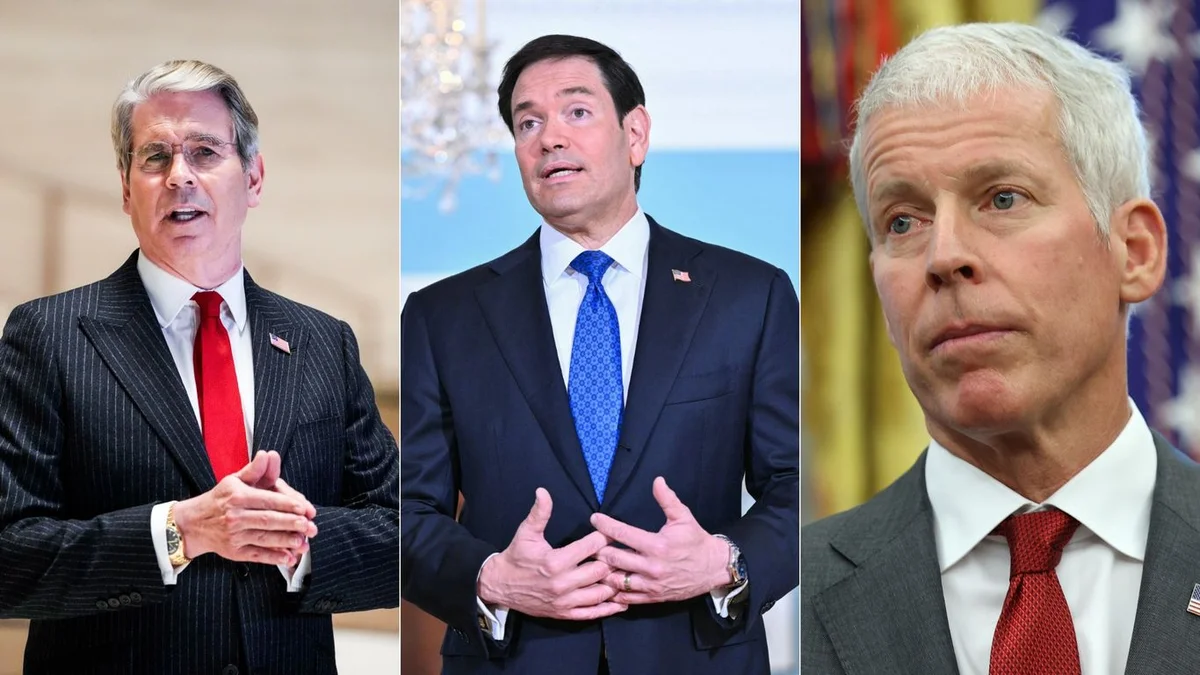
President Trump's recent Russian diesel deal, which waived new sanctions and tariffs on Russian energy, has drawn bipartisan criticism for appearing to benefit Russia amidst its war in Ukraine. The Graham Act, signed last month, had established these sanctions, but Trump's administration chose not to implement them. The move has created internal rifts within the Republican party ahead of midterm elections, highlighting a growing willingness among some Republicans to distance themselves from Trump.Administration officials offered conflicting explanations for the decision. Energy Secretary Chris Wright argued the deal was a "carrot" to incentivize Russia to scale back the conflict in Ukraine, suggesting Russia could only benefit by increasing exports after reducing hostilities. Conversely, Secretary of State Marco Rubio stated that Russia would have sold the diesel regardless of the intervention, downplaying the deal's impact on Russia's financial standing.The context of these decisions includes Ukrainian drone strikes hindering Russian diesel exports, further exacerbated by attacks on Ukrainian energy infrastructure despite claims of an energy ceasefire. The combined effects of the Iran War and Russia's export decline have led to rising diesel costs globally.The executive order also avoids putting additional pressure on major Russian oil buyers like China and India. Rubio indicated Trump needed time to analyze the global economic implications of imposing further sanctions and tariffs. Treasury Secretary Scott Bessent defended the administration's overall stance, emphasizing past sanctions on Russian energy giants and asserting that Trump has been tough on Russia.However, several Republicans have strongly criticized the waiver. Senators Thom Tillis, John Cornyn, and Ted Cruz, along with Representative French Hill, expressed disapproval, calling the waiver irresponsible and a mistake. Hill specifically requested a classified briefing on the decision, reflecting the significant internal opposition to Trump's policy.