Radiolab

Radiolab is a popular radio show and podcast that explores scientific, philosophical, and cultural topics in a creative and engaging way. The show is known for its immersive storytelling, often blending narrative, sound design, and interviews to delve into complex ideas. Founded by Jad Abumrad and Robert Krulwich, Radiolab has gained a reputation for making difficult subjects accessible and entertaining. Each episode typically focuses on a central theme, which can range from medical mysteries to ethical dilemmas or cosmic phenomena. The show often presents multiple perspectives, encouraging listeners to think critically and explore different viewpoints. Radiolab's use of sound effects and music is distinctive, enhancing the listening experience and drawing the audience deeper into the story. Over the years, the show has won numerous awards for its innovative approach to broadcasting. It has expanded its format to include live shows, investigative journalism, and collaborations with other media outlets. Radiolab's content is both thought-provoking and emotionally resonant, often leaving listeners with new insights or questions about the world. The show's website provides access to its extensive archive of episodes, along with additional resources like articles, videos, and interactive content. Radiolab continues to push the boundaries of radio and podcasting, making it a unique and influential voice in media. Whether tackling the mysteries of the human mind or the vastness of space, Radiolab captivates its audience with stories that are as informative as they are captivating.


Thread Of Notes

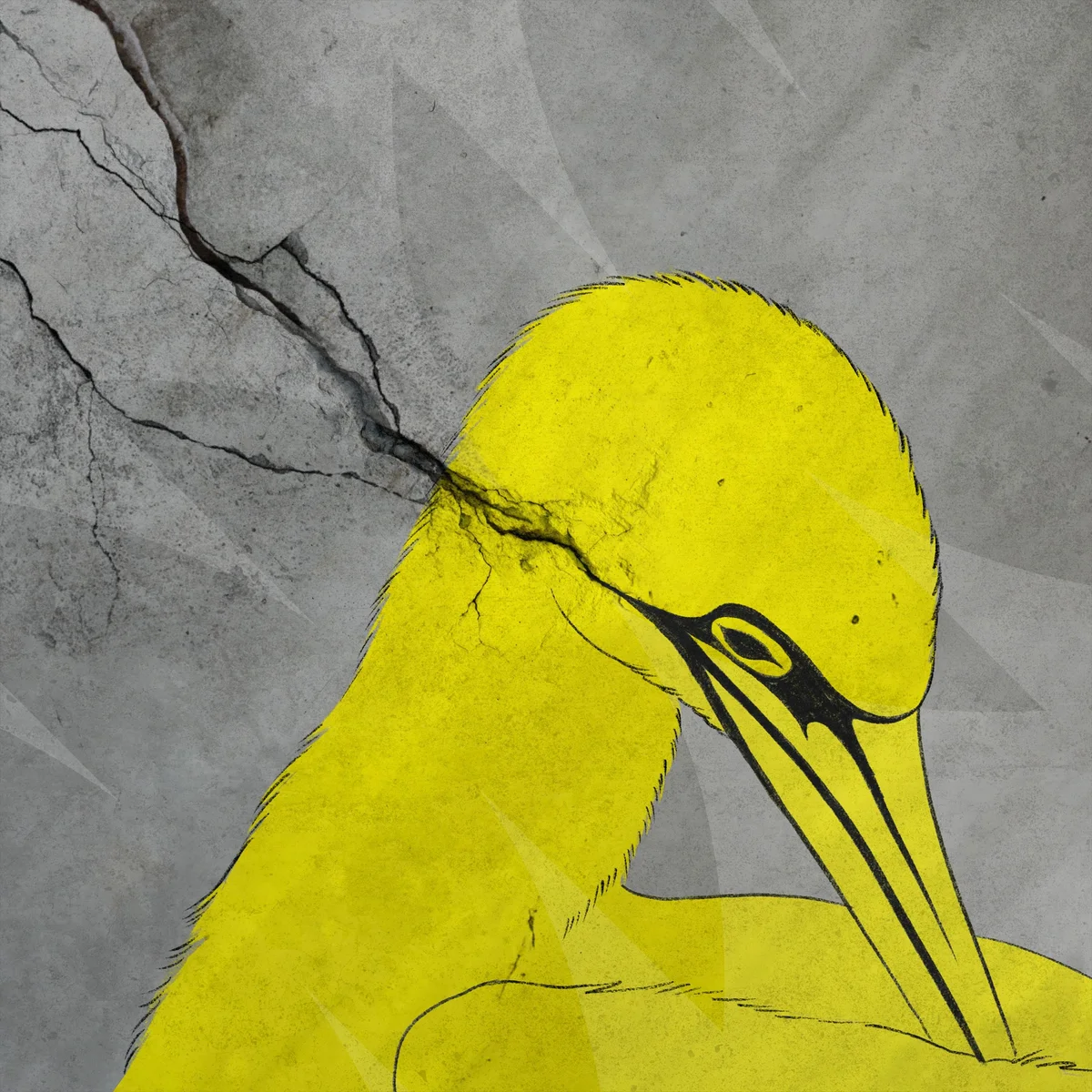
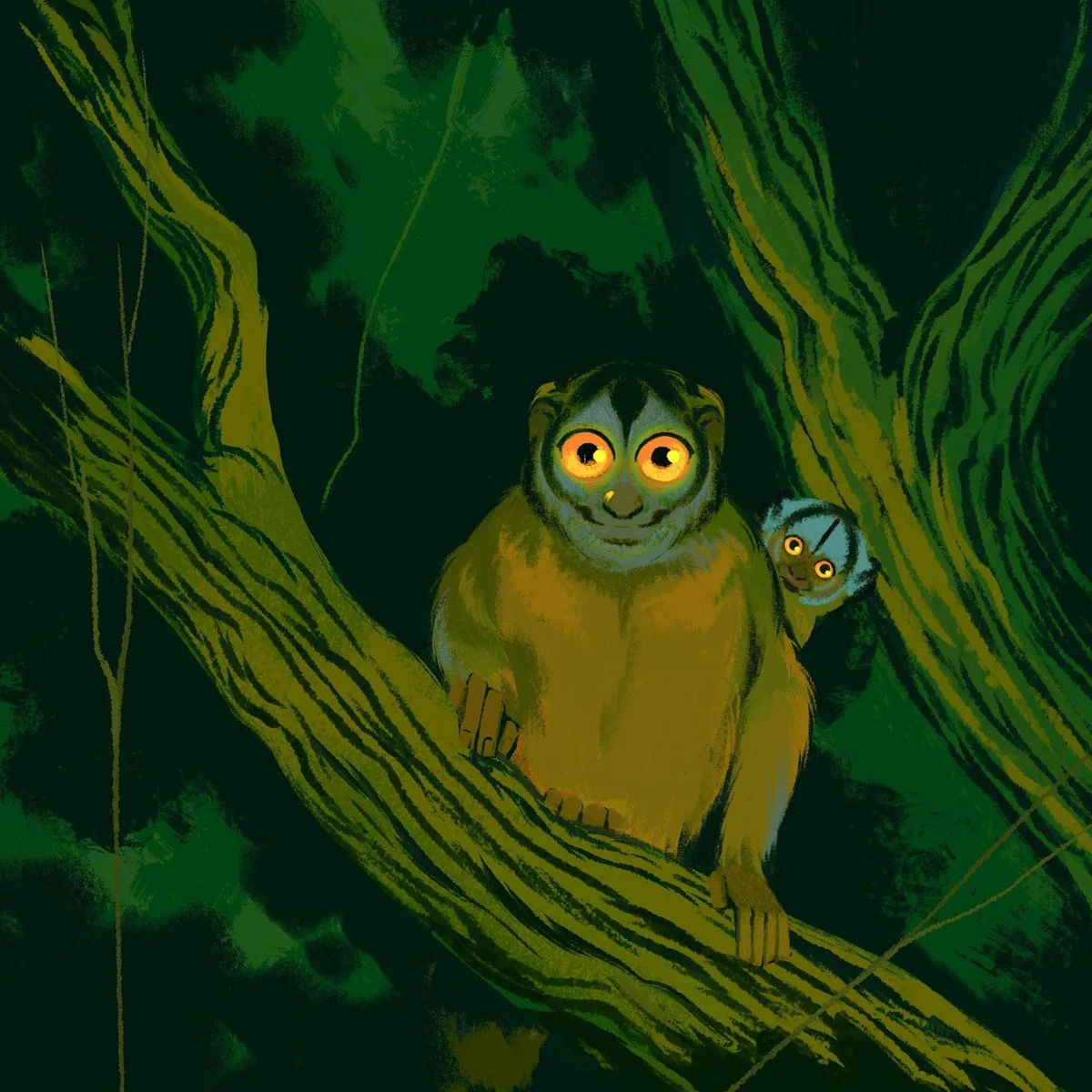
Chris Bell was the sole human inhabitant of Mana Island off the west coast of New Zealand in 2016, tasked with caring for the island's fragile ecosystem. The island was home to a colony of Australasian Gannets, but all except one of the birds were fake, made of concrete and paint. This unusual situation is the subject of a love story told by producer Annie McEwen on the Radiolab podcast. The story revolves around a rogue bird and the clash between what humans want for animals and what they choose for themselves. The episode explores the conservation efforts on Mana Island and the story of Nigel, a lonely gannet who became the subject of numerous songs, poems, and videos. The episode was reported and produced by Annie McEwen, with mixing help from Jeremy Bloom and fact-checking by Diane A. Kelly. The story of Nigel has inspired a range of creative works, including songs by The Burning Hell and poems by various artists. The episode is part of the Radiolab podcast, which is supported by listeners and leadership foundations such as the Simons Foundation and the John Templeton Foundation. The podcast is hosted by Simplecast and offers a newsletter with short essays, recommendations, and details about other ways to interact with the show. The story of Nigel and the conservation efforts on Mana Island can be learned more about by visiting the Friends of Mana Island website. The Radiolab podcast can be followed on social media platforms such as Instagram, Twitter, and Facebook, and listeners can share their thoughts by emailing [email protected].
CdXz5zHNQW_f0TWbOLLOA.jpeg
Reporters Kristen Clark and David Conrad worked on a story about discrimination in 2017, which involved a visit to Venice, Italy, to meet gondolier Alex Hai. The story explored the nearly 1000-year old tradition of the Venetian Gondolier and a 20-year battle between that tradition and a supposed feminist icon. The reporters returned to Alex in 2026 to provide updates on his life, which included both heartbreaking and heartwarming developments. The episode features contributions from several individuals, including Alexis Ungerer, Summer, and many others who helped with the reporting and production. The episode was reported by David Conrad and Kristen Clark, and produced by Annie McEwen and Molly Webster, with help from Anisa Vietze. Fact-checking for the update was done by Angely Mercado, ensuring the accuracy of the information presented. The episode is part of the Radiolab series, which is supported by listeners and offers a newsletter with short essays, recommendations, and details about other ways to interact with the show. Listeners can support Radiolab by becoming a member of The Lab, and can also follow the show on social media platforms like Instagram, Twitter, and Facebook. The episode includes credits and acknowledgments for the people and organizations involved in its production, and provides information about how to sign up for the newsletter and support the show. Overall, the episode provides a thought-provoking exploration of discrimination and its effects, and offers a unique perspective on the experiences of individuals like Alex Hai.
CdXz5zHNQW_0EqqtraCG2.jpeg
CdXz5zHNQW_B9xM6iakyQ.jpeg
The concept of self-esteem and the desire to feel better about oneself is a relatively new phenomenon in the history of the world. This idea can be largely attributed to John Vasconcellos, a California state representative who played a significant role in sparking the self-esteem movement in the 1990s. The movement spread rapidly across America, influencing schools, board rooms, and social-service offices. The self-esteem movement was fueled by the idea that low self-esteem was the root cause of many social problems, and that boosting it could lead to positive change. However, the effectiveness and potential drawbacks of this approach are now being questioned. The story of the rise and fall of the self-esteem movement is explored in a recent episode, which examines whether it is possible to raise one's self-esteem and whether it is even a good idea. The episode features audio material from the University of California, Santa Barbara Library's Humanistic Psychology Archives, and was reported by Heather Radke and Matt Kielty. The episode's credits include original music and sound design by Jeremy S. Bloom, as well as voiceover work by Dann Fink and fact-checking by Anna Pujol-Mazzini and Angely Mercado. The episode is part of the Radiolab series, which is supported by listeners and foundations such as the Gordon and Betty Moore Foundation and the Alfred P. Sloan Foundation. The show's producers invite listeners to share their thoughts and engage with the show through social media and email, and offer a newsletter with short essays and recommendations that comes out every Wednesday.
CdXz5zHNQW_lQbj2dyALY.jpeg
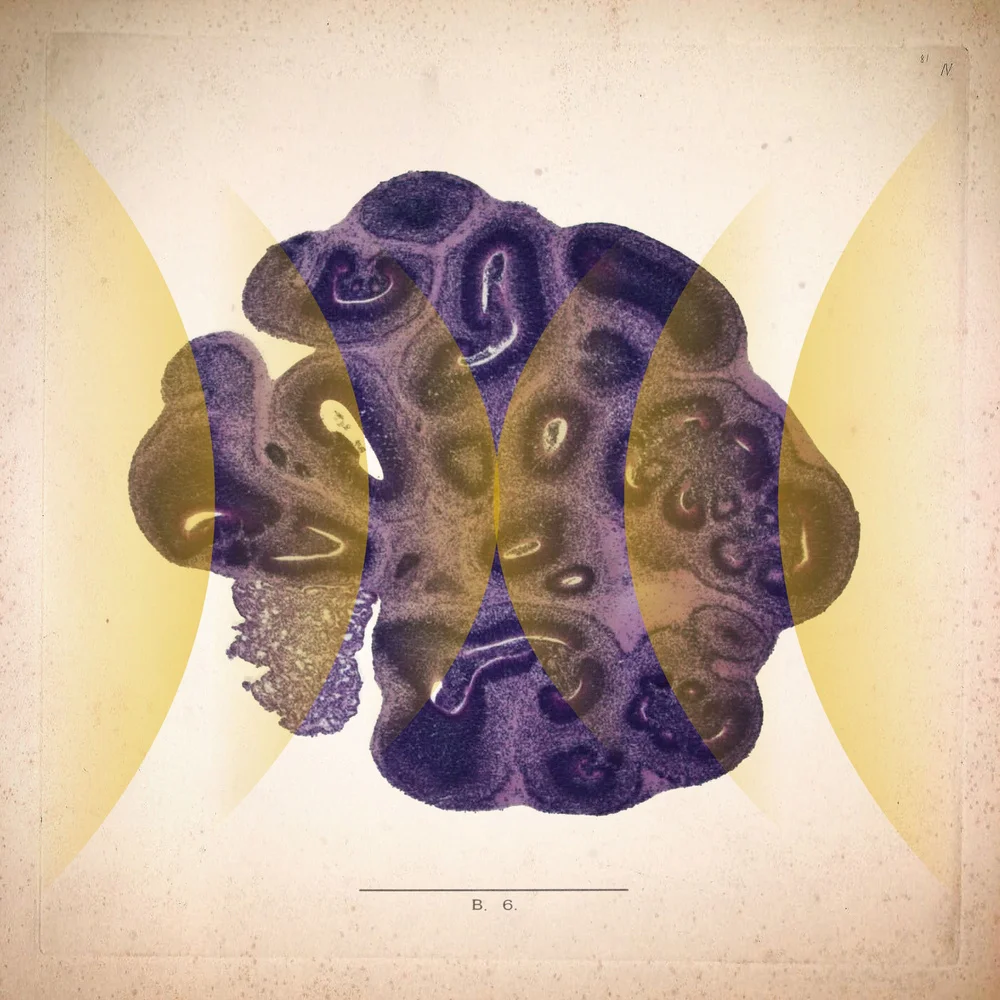
Madeline Lancaster, a neuroscientist, accidentally discovered a way to grow a tiny, 3D version of a human brain, known as a cerebral organoid, while working as a postdoc. The organoid was the size of a peppercorn and was the first of its kind to be grown in a lab. This discovery led to a surge in research using these mini brain balls, which have been used to study brain development, treat cancer patients, and even play video games. The use of cerebral organoids has raised questions about their capabilities and whether they are capable of sensing, feeling, or learning. Researchers are still unsure if these brain balls are simply a collection of cells or if they have the potential to be considered living beings. The discovery of cerebral organoids has also sparked debate about the ethics of using them in research and whether they should be treated as human entities. Madeline Lancaster's discovery has been widely recognized, and she has given talks about her research, including a TEDxCERN talk in 2015. The use of cerebral organoids has also been explored in various articles and books, including Carl Zimmer's book Life's Edge: The Search for What it Means to be Alive. The research on cerebral organoids is ongoing, and scientists are continuing to explore their potential and the implications of their use. The study of cerebral organoids has the potential to revolutionize our understanding of the human brain and could lead to breakthroughs in the treatment of various diseases and conditions.
CdXz5zHNQW_Z1P78bNnFy.jpeg